Everything You Need to Know About the Single Panel Garage Door
May 5, 2025
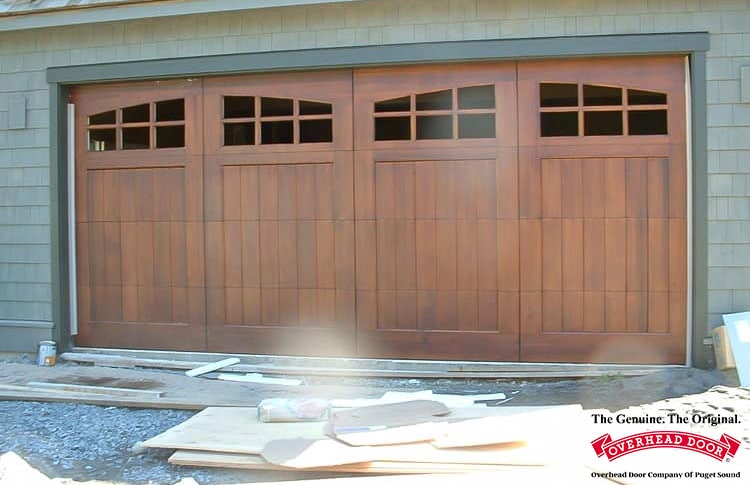
If you’ve ever driven by a home and admired a smooth, classic garage door that swings up in one solid piece, chances are you were looking at a single panel door. These garage doors are making a quiet comeback, and we’re here to explain why they’re worth a second look.
Whether you’re building new, replacing old, or just exploring options, let’s break down what a single panel garage door is, why it might be the right fit for your home, and what to consider before choosing one.
What is a Single Panel Garage Door?
A single panel garage door is just what it sounds like: one solid slab of material that tilts up and overhead when you open it. Instead of multiple horizontal sections that bend at the seams (like sectional doors), this door moves as one large piece.
These doors are usually operated by a spring-loaded hinge system and either manual or electric openers. Because of their construction, they have a few standout traits that make them different from more modern sectional garage doors.
They were once the standard before sectional doors became popular. And while they’ve become less common in recent years, they remain a functional, budget-friendly, and visually distinct option. If you’re aiming for curb appeal that doesn’t look like every other home on the block, a single panel might be exactly what you need.
Why Choose a Single Panel Door?
Here’s where things get interesting. While sectional doors have become the standard, there are still some solid reasons to go old school with asingle panel.
Classic Style
Single panel garage doors offer a clean, vintage look. They’re a great match for mid-century modern homes, ranch-style homes, or any property that leans into retro aesthetics. Homeowners wanting to keep or restore architectural authenticity often lean into this door type.
Fewer Moving Parts
Fewer panels mean fewer joints, tracks, and rollers to worry about. That can lead to lower maintenance needs over time. There’s less risk of something going wrong with simpler mechanics, which appeals to DIY homeowners.
Smooth Operation Many homeowners find single panel door s glide more smoothly than multi-panel doors, especially when properly balanced. The door moves as one seamless unit, making it less prone to jamming or misalignment.Lower Initial Cost
In many cases, single panel doors are more affordable than sectional garage doors. That can be a big win for budget-conscious homeowners. Less hardware, simpler construction, and fewer materials can all translate into cost savings.
Quicker Installations
Installing a single panel door can be faster and simpler since there are fewer components to manage. For certain garage layouts, this can also mean fewer structural changes when upgrading or replacing your door.
What Are the Drawbacks?
No garage door is perfect, and a single panel door has a few trade-offs to keep in mind:
More Space Needed to Open
Because it swings out as it lifts, you’ll need clear space in front of your garage. That could be tricky if you have a short driveway or park close. If your car is parked too close, the door might not fully open.
Safety Concerns
If the spring system fails, the whole door could fall suddenly. Modern sectional doors often have built-in safety features that reduce this risk. However, professional installation and regular maintenance can greatly reduce the danger.
While some insulated single panel doors exist, they don’t typically offer the same energy efficiency as multi-layer sectional doors. That can make a difference in garages that are attached to your home or used as living/work spaces.
Homes in urban areas or with shared driveways may struggle to accommodate a swinging door. Sectional doors lift vertically, making them easier to operate in space-restricted environments.
Materials You Can Choose From
Single panel garage doors come in several popular materials, each with its own pros and cons:
Wood-Pros: Naturally beautiful, customizable with paint or stain, excellent for traditional and custom looks. - Cons: Requires regular maintenance to prevent rot, warping, or weather damage.Steel-Pros: Strong, durable, weather-resistant, often low maintenance, and budget-friendly. - Cons: Can dent under impact and may be prone to rust without protective coating.Fiberglass-Pros: Lightweight, dent-resistant, corrosion-resistant, available in many styles. - Cons: Not as strong as wood or steel, and can fade in direct sunlight over time.Aluminum-Pros: Lightweight and rust-resistant, great for coastal areas. - Cons: Can be more easily dented and may lack the visual warmth of wood.Where Single Panel Doors Work Best
While single panel garage doors aren’t for everyone, they can be the perfect choice in the right setting. Ideal situations include:
- Detached garages with no overhead storage limitations.
- Homes with longer driveways where door swing won’t interfere with parked cars.
- Properties that prioritize curb appeal and historic design.
- Budget-minded projects where every dollar counts.Sheds and workshops where space and design are more flexible.
Add Your Heading Text Here
Absolutely! If your current garage structure allows for it, converting to a single panel garage door can be a straightforward project. You’ll need to ensure the framing can handle the door’s weight and that the swing clearance is sufficient.
Our pros at Overhead Door Company of Puget Sound will take a look and recommend the best setup for your home. We’ll walk you through the style, size, material, and safety upgrades you need.
**Single Panel Door vs. Sectional: Quick Comparison
Feature Single Panel Door **Sectional Garage Door
Look
Classic, retro
Modern, customizable
Space to Open
Needs extra front space
Minimal space needed
Parts & Maintenance
Fewer moving parts
More components
Insulation Options
Limited
Broad range available
Cost
Often more affordable
Typically more expensive
Installation Time
Quicker
May take longer
Ideal Use
Vintage homes, sheds
Most residential garages
Frequently Asked Questions
What is a single panel door?
A single panel door is a garage door made from one solid piece that swings up and over the garage opening in a single motion.
What is a single panel garage door called?
It’s commonly called a tilt-up garage door or one-piece garage door.
What size is a single garage door panel?
A standard single garage door panel is usually 8 to 10 feet wide and 7 to 8 feet tall, but custom sizes are available.
What is a single dummy door?
A single dummy door refers to a non-functioning door used for aesthetic purposes only—it doesn’t open or close.
Thinking about switching to a single panel garage door? Or maybe you need repairs on an older one? Either way, Overhead Door Company of Puget Sound is here to help.
We’ll walk you through the best style and material for your home, make sure your setup is safe and secure, and install it with precision.
Call (253) 400-3880 to get started today!
Related Services
Garage Door Spring Replacement
Expert torsion and extension spring replacement with same-day emergency service.
Residential Garage Door Repair
Fast, reliable garage door repair for springs, openers, panels, tracks, and more.
Garage Door Opener Repair
Garage door opener diagnosis, repair, and smart upgrade services for all major brands.
Garage Door Maintenance
Annual preventive maintenance to keep your garage door safe, quiet, and reliable year-round.
Garage Door Panel Repair
Damaged garage door panels repaired or replaced to restore appearance, function, and insulation.
Garage Door Roller Repair
Worn or damaged garage door rollers replaced with quiet, long-lasting nylon or steel options.
Need Garage Door Service?
Call us today for a free estimate.