Garage Door Bottom Seal Types: Choosing the Right One for Your Needs
November 5, 2026 blogs
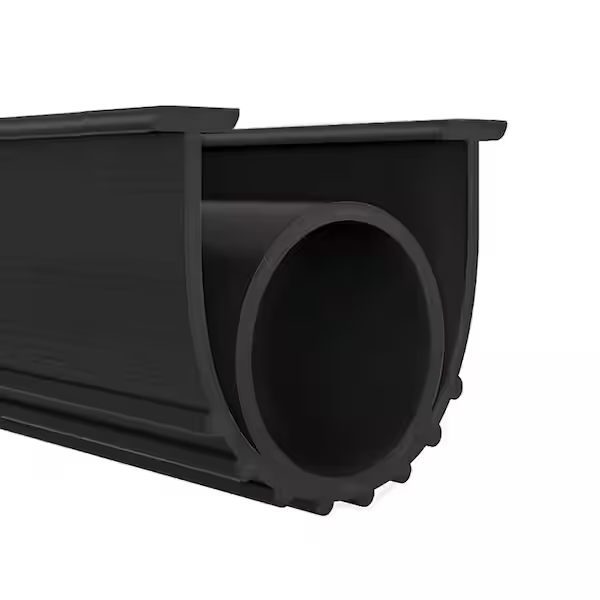
What a Garage Door Bottom Seal Does
The strip of rubber or vinyl along the bottom of your garage door does more work than it looks. Knowing the main garage door bottom seal types helps you pick a replacement that fits your door, suits your floor and stands up to wet weather. This guide explains each type, the materials they come in and how to tell which one your door needs.
A garage door rarely meets the floor in a perfect line. Concrete settles, driveways slope and small gaps form. The bottom seal fills that gap. It blocks rain, wind-blown leaves, dust, mice and insects. It also cuts drafts, which matters if you use the garage as a shop or have a room above it.
A worn seal lets moisture build up inside. Over time that can lead to mold, mildew, rusty tools and ruined boxes.
Start With the Retainer, Not the Seal Name
Before you shop, look at how your current seal is attached. Most steel doors use a retainer: an aluminum or plastic channel fastened to the bottom of the door that holds the seal in place. Many wood doors have no retainer. Their seal is nailed or screwed straight to the wood.
Retainers come with a single channel or a double channel. The edge of the seal that slides into the channel is called the profile. It might be a flat T shape, a round bead or a small bulb. The profile must match the slot in your retainer. If it is too thick, it will not slide in. If it is too thin, it will fall out.
Here is the catch: seal names are not standard. One store calls a seal U-shaped while another calls the same seal a bulb. Some sellers say beaded seals use a single channel, and others say a double channel. So match the profile to your retainer rather than trusting the name on the box. A simple way to do this is to cut a short piece from the old seal and take a photo of the retainer. Bring both when you buy.
The Main Garage Door Bottom Seal Types
T-Type Seals
The T-type is one of the most common seals on homes. Each edge has a flat T shape that slides into a matching slot in the retainer. Once installed, the seal hangs below the door in a loop. T-type seals work best on smooth, level concrete. On a floor with dips, they can leave small gaps.
Bulb Seals
A bulb seal is a hollow tube. When the door closes, the tube squashes against the floor and fills uneven spots. That makes it a good pick for older or worn floors. Because it is pressed flat every time the door closes, it can wear a little faster than other types.
Beaded Seals
Beaded seals have a rounded bead on each edge that slides into the retainer. They give a firm, steady hold and are common on commercial doors, though many homes use them too. Wider beaded strips can cover deeper low spots in the floor.
U-Type Seals
Also sold as T-U or double T seals, these fold into a U shape under the door. The extra material lets them flex over rough or sloped ground. They suit older garages where the slab has cracked or sunk.
Brush Seals
A brush seal uses dense bristles instead of a solid strip. It does a good job keeping out dust, debris and insects. It is weaker against heavy rain, so it is rarely the first choice for a home in a wet climate.
Threshold Seals
A threshold seal is not attached to the door at all. It is a raised strip glued to the floor where the door lands. It works with the bottom seal to stop water from running in. A threshold must be lined up correctly, or the door may not close fully.
The J-Type Garage Door Bottom Seal
The j-type garage door bottom seal gets mixed reviews online, so it is worth a closer look. Viewed from the end, the seal curls into a J shape on each side when the door closes. Some versions have two flaps, one bending toward the outside and one toward the inside, which adds a second layer against wind and water.
A J-type seal usually fits a single-channel retainer. Many J-type kits come with their own retainer, which has to match the thickness of the door. That makes the J-type a practical option for wood doors that have no retainer, since the kit adds one.
Some sellers describe the J-type as a heavy-duty or commercial seal. In practice, it works well on many homes, especially where the existing retainer was built for it. As with every seal, the deciding factor is whether the profile fits the retainer on your door.
Seal Materials and How They Differ
The shape of a seal is only half the story. The material decides how it handles cold, heat and years of use.
- Rubber: Stays soft and flexible when the weather turns cold, so it keeps hugging the floor. A good all-around choice.
- EPDM: A tough synthetic rubber that resists sun, ozone and weather. It is a common upgrade over basic rubber.
- Vinyl: Often the most affordable option. It tends to get stiff in cold weather, which can open small gaps on chilly mornings.
- Silicone: Handles very hot and very cold temperatures well and resists cracking. It usually costs more than rubber or vinyl.
Sources disagree on whether rubber or vinyl lasts longer. In a cool, damp area, many homeowners find that rubber or EPDM keeps its seal better through winter.
Best Garage Door Bottom Seal for Uneven Floors and Wet Weather
There is no single best garage door seal for every home. The best garage door bottom seal is the one that fits your retainer and fills the gap under your door. That said, a few patterns hold true.
- Uneven floors: Bulb, U-type and wide beaded seals have more material to fill dips. If the gap is large at one corner, a threshold seal can help close it.
- Heavy rain: Sumner and the rest of the Puget Sound area see plenty of rain. If water runs toward your garage on a sloped driveway, pair a flexible bottom seal with a threshold seal.
- Damp conditions and retainers: Aluminum retainers are strong and long lasting, and they hold the seal firmly in place. Plastic retainers are lighter and do not stiffen or swell in damp weather. Either can work well, as long as the seal profile matches the channel.
- Wood doors: If the bottom edge of the door shows rot, a retainer that wraps around the edge can cover the damage and give the seal a solid base.
How to Tell What Garage Door Seal You Need
Use this simple checklist before you buy:
- Check for a retainer. Note whether it has one channel or two, and whether it is aluminum or plastic.
- Identify the profile. Look at the end of the old seal. Is it a flat T, a round bead or a small bulb?
- Measure the door, not the opening. The door can be a little wider than the opening, and the seal must cover the full door.
- Measure the gap. Close the door and check the space under it at both corners and the middle. This tells you how wide the seal needs to be.
- Look at the floor. Note any low spots, cracks or a slope toward the garage.
- Pick the material. Choose rubber, EPDM or silicone if cold weather is a concern.
If your notes do not point to a clear answer, a garage door technician can identify the right seal in a few minutes.
Signs Your Bottom Seal Needs Replacing
Seals wear out from sun, cold and constant pressure. Watch for these signs:
- Cracks, tears or a stiff, brittle feel
- Daylight showing under the closed door
- Puddles or damp spots inside after rain
- Leaves, dust or droppings near the door
- A seal that sags, hangs loose or slides out of the retainer
If a new seal still leaves a gap, the seal may not be the real problem. The door may be out of balance, or the opener's close limit may need adjusting so the door comes all the way down. A technician should check this, since the door and opener work under heavy tension.
Doing It Yourself or Calling a Technician
Swapping a bottom seal on a door with a sound retainer is a job many homeowners can handle. Unplug the opener first so the door cannot move while you work. Slide the old seal out, clean the channel, feed in the new seal and trim the ends.
It gets harder when the retainer is bent or corroded, the door is wood with no retainer, or the seal will not slide in smoothly. In those cases, professional help saves time and frustration.
At Overhead Door of Puget Sound, a bottom seal replacement costs $200 to $375 per job. That includes the service call and a new bottom seal for doors 8 to 16 feet wide. Wider doors and special seal types cost more. If the retainer or another part also needs work, our team gives you a firm price upfront, before any work starts. You can learn more on our garage door maintenance page.
Next Steps for Your Garage Door
Start by checking your retainer and the profile of your old seal. Then measure the door and the gap underneath it. With that information, choosing between garage door bottom seal types becomes a simple match. If the floor is uneven, rain gets in, or the door no longer closes evenly, contact OHD Puget Sound. A technician will find the right seal and make sure your door closes tight against the weather.
Frequently Asked Questions
What are the different types of garage door bottom seals?
The main types are T-type, bulb, beaded, U-type, J-type and brush seals. Threshold seals are also used, but they attach to the floor rather than the door.
What is the best garage door seal for an uneven floor?
Bulb, U-type and wide beaded seals have extra material that fills dips in the floor. For a large gap at one spot, adding a threshold seal can help close it.
Is rubber or vinyl better for a garage door bottom seal?
Rubber stays flexible in cold weather, so it keeps a tighter seal through winter. Vinyl is often more affordable but tends to stiffen when temperatures drop.
How do I know which bottom seal fits my garage door?
Look at the retainer on the bottom of your door and the shape of the edge on your old seal. Match that profile to the new seal instead of going by the product name, and measure the width of the door itself.
Why does water still get under my garage door with a new seal?
The seal may be too narrow for the gap, or the floor may slope toward the garage. The door may also need a balance or opener adjustment so it closes fully, which a technician can check.
Read More
Related Services
Residential Garage Door Repair
Fast, reliable garage door repair for springs, openers, panels, tracks, and more.
Garage Door Maintenance
Annual preventive maintenance to keep your garage door safe, quiet, and reliable year-round.
Garage Door Panel Repair
Damaged garage door panels repaired or replaced to restore appearance, function, and insulation.
Commercial Garage Door Repair
Commercial garage door repair for warehouses, loading docks, and businesses — roll-up doors, sectional doors, high-speed doors, and fire doors.
Commercial Garage Door Installation
Professional commercial garage door installation for warehouses, loading docks, storefronts, and industrial facilities.
Need help? Call us today.
(253) 400-3880Need Garage Door Service?
Call us today for a free estimate.